
Global Market Analysis: Comparing Trends in Different Regions of the World
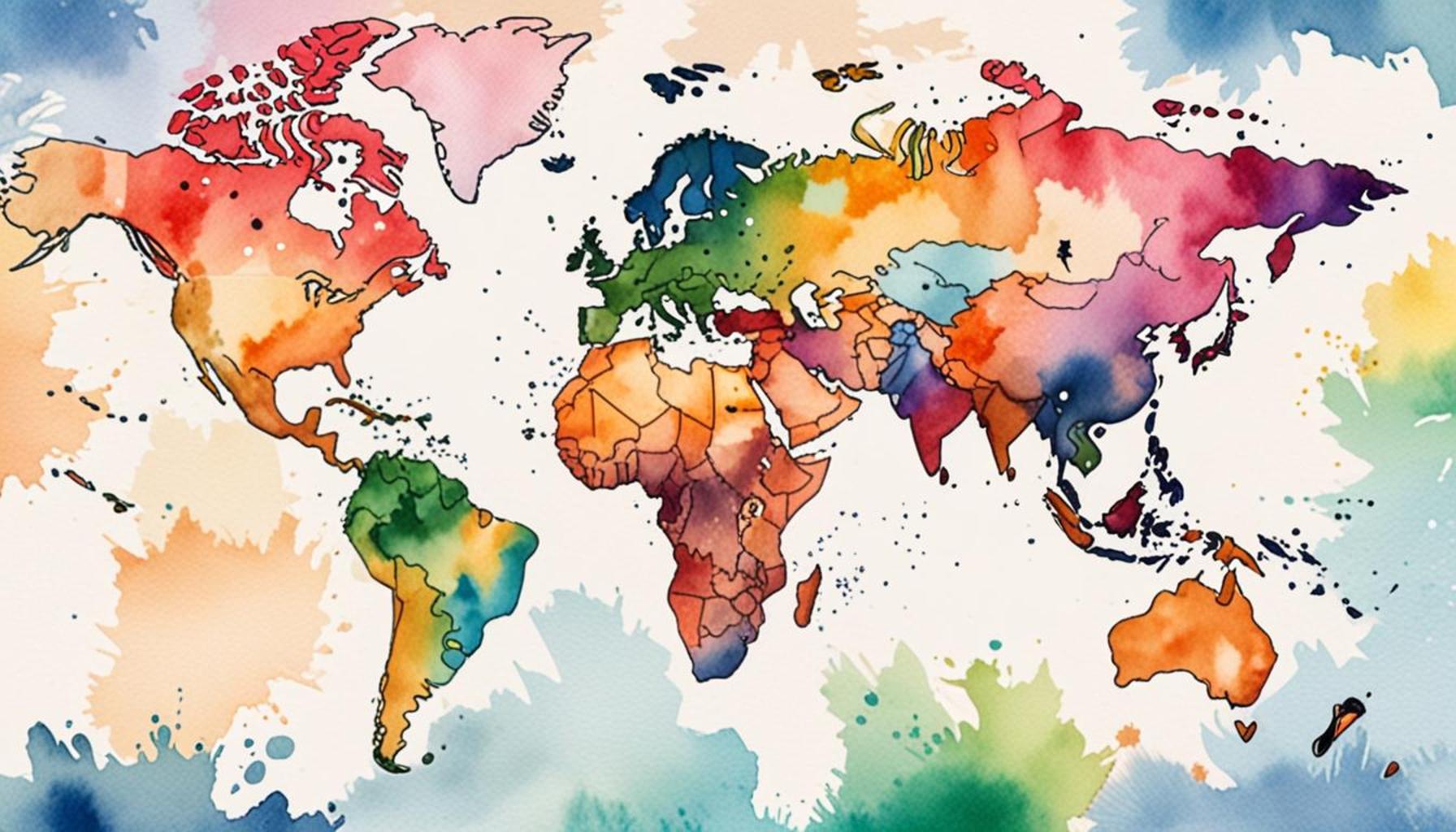
Understanding Regional Market Dynamics
The global market operates as an intricate network marked by interdependencies that reflect diverse regional trends. Grasping these trends is vital for businesses and investors who seek to effectively navigate the complexities of international trade. Analysis of key regions—namely North America, Europe, Asia-Pacific, and Latin America—reveals distinctive market dynamics and opportunities that organizations must consider in their strategic planning.
- North America: This region stands out for its advanced technology and innovation landscape. The United States, in particular, drives the tech sector with notable companies in Silicon Valley, which is a hotbed for startups and established giants alike. Additionally, there is a growing emphasis on sustainability within business models, prompting firms to adopt greener practices. For example, many U.S. companies are investing in renewable energy projects, which not only contribute to environmental goals but also present new revenue streams.
- Europe: Europe’s market is heavily characterized by stringent regulatory frameworks that govern various sectors, from financial services to environmental practices. The European Union’s General Data Protection Regulation (GDPR) exemplifies the region’s commitment to ethical business practices, fostering consumer trust but also challenging businesses with compliance requirements. Furthermore, regions like Scandinavia have integrated sustainability into their business models, leading to a rising demand for eco-friendly products and services.
- Asia-Pacific: Home to some of the fastest-growing economies in the world, the Asia-Pacific region is experiencing rapid growth fueled by urbanization and rising consumer demand. Countries such as China and India are witnessing a burgeoning middle class, which is leading to increased consumption of luxury goods and services. The rise of e-commerce platforms in these markets illustrates this trend, with companies like Alibaba and Flipkart transforming retail landscapes with innovative technological solutions.
- Latin America: While this region presents significant opportunities for growth, it is not without challenges. Political instability in countries such as Venezuela may deter foreign investment. However, markets like Brazil and Mexico are actively pursuing trade agreements that enhance regional stability and create a more favorable investment climate. These developments can offer substantial opportunities for businesses willing to adapt to local conditions.
In analyzing market dynamics, it is essential to consider not only economic indicators, such as GDP growth rates and inflation, but also sociopolitical factors that could influence market stability and consumer confidence. For instance, regional trade agreements like the United States-Mexico-Canada Agreement (USMCA) alter market access and provide competitive advantages for businesses operating within its framework.
This article will further expound upon a comparative analysis of market trends across these regions, looking closely at economic performance, consumer behavior, and technological advancements. By examining these critical factors, stakeholders can make informed decisions that align with the evolving global market landscape.
DISCOVER MORE: Click here to learn how to create beautiful pieces without leaving home
Regional Economic Performance and Consumer Behavior
Understanding the intricate patterns of economic performance and consumer behavior across various regions is essential for companies aiming to capitalize on global opportunities. Each region exhibits unique characteristics that influence spending habits, preferences, and ultimately, market potential. A comprehensive analysis reveals the nuances that define consumer behavior and provides insights into economic performance metrics.
North America: Consumer Confidence and Spending Patterns
In North America, consumer confidence significantly impacts spending. According to the Conference Board’s Consumer Confidence Index, consumer sentiment has consistently demonstrated resilience, reflecting a strong economic recovery post-pandemic. In 2022, consumer spending in the United States increased by approximately 6.1%, fueled by wage growth and low unemployment rates. This robust consumer expenditure underscores a shift towards experiential purchases, which are increasingly favored over material goods. For instance, sectors such as travel, dining, and entertainment have seen a resurgence, pivoting businesses towards innovation in service delivery to meet evolving consumer expectations.
Europe: Ethical Consumerism and Sustainability Trends
Europe’s consumer market is marked by a significant trend towards ethical consumerism. Recent studies show that over 70% of European consumers prioritize sustainability when making purchasing decisions. This trend is prompting companies to adopt transparent supply chains and eco-friendly products to appeal to environmentally conscious buyers. Furthermore, the European Green Deal emphasizes the importance of sustainability, pushing organizations toward greener practices and inspiring a shift in product offerings. Market segments such as organic foods and renewable energy solutions are witnessing accelerated growth as consumers align their purchasing decisions with their values.
Asia-Pacific: The Rise of Digital Consumers
The Asia-Pacific region is undergoing a digital revolution that significantly alters consumer behavior. With an estimated 2.1 billion internet users in the area, e-commerce is rapidly transforming retail landscapes. Countries like China, where e-commerce sales exceeded $2 trillion in 2021, exemplify this shift, as consumers increasingly favor online shopping platforms over traditional brick-and-mortar stores. Social media marketing and mobile payment options are reshaping engagement strategies, compelling businesses to invest in innovative digital marketing techniques to connect with this tech-savvy consumer base.
Latin America: Economic Disparities and Growth Opportunities
Latin America presents a complex market characterized by economic disparities that influence consumer behavior across the region. While countries like Brazil and Mexico exhibit potential for expansion, economic challenges, including inflation and currency fluctuations, impact purchasing power. According to World Bank data, GDP growth in Latin America was projected at 3.5% for 2023, suggesting potential recovery despite ongoing political tensions. The rise of the middle class, however, is creating new market opportunities. In particular, FMCG (Fast-Moving Consumer Goods) sectors are witnessing growth as disposable incomes rise, presenting opportunities for businesses that seek to cater to evolving consumer needs.
In summary, the comparative analysis of consumer behavior across different regions reveals critical insights for businesses planning their market strategies. By acknowledging the shifts in consumer preferences and economic conditions, companies can better position themselves for success in an increasingly complex global marketplace.
DISCOVER MORE: Click here to learn how to create beautiful pieces without leaving home
Emerging Markets: Opportunities and Challenges
Emerging markets present a diverse landscape for businesses seeking growth opportunities. Countries within regions such as Africa and parts of Asia show promising economic indicators but also face considerable challenges. Understanding the balance between opportunity and risk is crucial for successful market entry strategies in these regions.
Africa: A Continent of Young Consumers and Entrepreneurship
Africa is experiencing rapid urbanization and a demographic shift that showcases a burgeoning youth population; more than 60% of the continent’s inhabitants are under 25. This demographic transformation fosters an entrepreneurial spirit and creates a demand for innovative products tailored to young consumers. The rise of mobile technology has given birth to numerous startups that address local needs, ranging from fintech solutions to e-commerce platforms. For instance, Nigeria’s Jumia, often referred to as the “Amazon of Africa,” is capitalizing on the emerging middle class’s demand for convenience and modern retail experiences.
However, despite these growth prospects, businesses must navigate obstacles including political instability and inadequate infrastructure. It is essential for companies to conduct thorough market research and build partnerships with local firms to mitigate these risks effectively.
The Middle East: A Region of Diversification and Innovation
The Middle East is undergoing significant economic diversification, particularly in the Gulf Cooperation Council (GCC) countries, where traditional oil revenues are being supplemented by investments in technology, tourism, and renewable energy. With initiatives like Saudi Vision 2030, the region aims to reduce its dependence on oil and enhance its economic landscape by fostering innovation and entrepreneurship.
For example, the UAE’s Innovation Strategy promotes an ecosystem conducive to startups and tech firms, presenting opportunities for foreign investors. Additionally, consumer trends in the Middle East reflect a growing preference for premium products and digital services, prompting businesses to adapt their offerings. The Global Digital Report 2022 noted that the region has one of the highest internet penetration rates, further accelerating e-commerce growth and digital engagement.
Global Trade Dynamics: Navigating Tariffs and Trade Agreements
As globalization continues to evolve, international trade dynamics become increasingly complex. Tariff policies and trade agreements can significantly influence market access and profitability for businesses operating in diverse regions. The ongoing initiatives, such as the Regional Comprehensive Economic Partnership (RCEP), serve as pivotal frameworks that can drive economic cooperation among member nations in Asia-Pacific, thus facilitating smoother trade flows.
In contrast, ongoing trade disputes, such as the tensions between the United States and China, exemplify the challenges businesses face in navigating fluctuating tariffs and regulatory environments. Companies must remain agile and informed about these dynamics to adapt their strategies accordingly. Understanding the implications of trade policies on supply chains and pricing strategies is crucial for maintaining competitiveness in the global market.
Technological Advancements: A Catalyst for Market Transformation
Technological advancements are acting as a catalyst for market transformation across various regions. The emergence of artificial intelligence (AI), Internet of Things (IoT), and blockchain technology is reshaping industries and consumer engagement strategies. For instance, retail organizations are leveraging AI analytics to understand purchasing behaviors better and to create personalized shopping experiences.
Moreover, in regions like Southeast Asia, the proliferation of digital wallets and mobile payment systems has revolutionized how consumers conduct transactions, with consumers favoring speed and convenience. Businesses must harness these technological trends to enhance customer loyalty and streamline operations, positioning themselves ahead of competitors in a rapidly changing market.
In essence, navigating the global market requires an understanding of diverse regional dynamics, consumer behavior, and technological advancements. Adapting to these factors will be crucial for sustained business success in an ever-evolving landscape.
DISCOVER MORE: Click here to unlock your potential!
Conclusion
In summarizing the findings from diverse global market dynamics, it becomes clear that understanding regional trends is paramount for businesses seeking sustainable growth. The analysis reveals that while developed markets, such as the United States and Europe, continue to focus on innovation and digital transformation, emerging markets present a unique blend of challenges and opportunities.
In regions like Africa, youthful populations and entrepreneurial initiatives are driving demand for modern products and services, necessitating strategic adaptability from companies looking to penetrate these markets. Meanwhile, the Middle East’s emphasis on diversification signifies a shift away from traditional revenue sources, underscoring the importance of aligning business strategies with regional economic visions.
Global trade dynamics, exacerbated by fluctuating tariff policies and travel restrictions, further complicate the market landscape. Companies must closely monitor these developments to modify their supply chains and pricing strategies effectively. Furthermore, technological advancements serve as a transformative force, enhancing consumer engagement and operational efficiencies across various sectors.
To thrive in this intricate global environment, professionals must cultivate a nuanced understanding of local consumer behaviors, competitive landscapes, and regulatory frameworks. By embracing agility and fostering collaboration, particularly in emerging markets, businesses can navigate the complexities of global trade effectively. In conclusion, a proactive approach to understanding regional specifics will not only mitigate risks but also unlock vast growth opportunities in the ever-evolving global market.

Linda Carter
Linda Carter is a writer and financial expert specializing in personal finance and financial planning. With extensive experience helping individuals achieve financial stability and make informed decisions, Linda shares her knowledge on the our platform. Her goal is to empower readers with practical advice and strategies for financial success.