Credit Cards and Consumer Psychology: How Marketing Influences Our Decisions

Understanding Consumer Psychology in Financial Decisions
In today’s credit-driven economy, it is critical to recognize the role of consumer psychology in influencing financial decisions. Credit cards have transcended their functional use as a means of payment; they have evolved into sophisticated marketing instruments that profoundly shape consumer behavior. By analyzing various psychological elements and marketing strategies, we can better comprehend how they steer individuals toward certain purchasing habits.
Key Factors Influencing Consumer Behavior
Several key factors contribute to the influence of credit cards on consumer behavior:
- Rewards Programs: Credit card companies have strategically designed rewards programs to incentivize spending. For instance, cash back rewards, travel points, or retail discounts can encourage consumers to choose one card over another. According to a Consumer Financial Protection Bureau (CFPB) report, nearly 80% of consumers utilize credit cards that offer rewards, indicating a strong correlation between rewards and credit card usage.
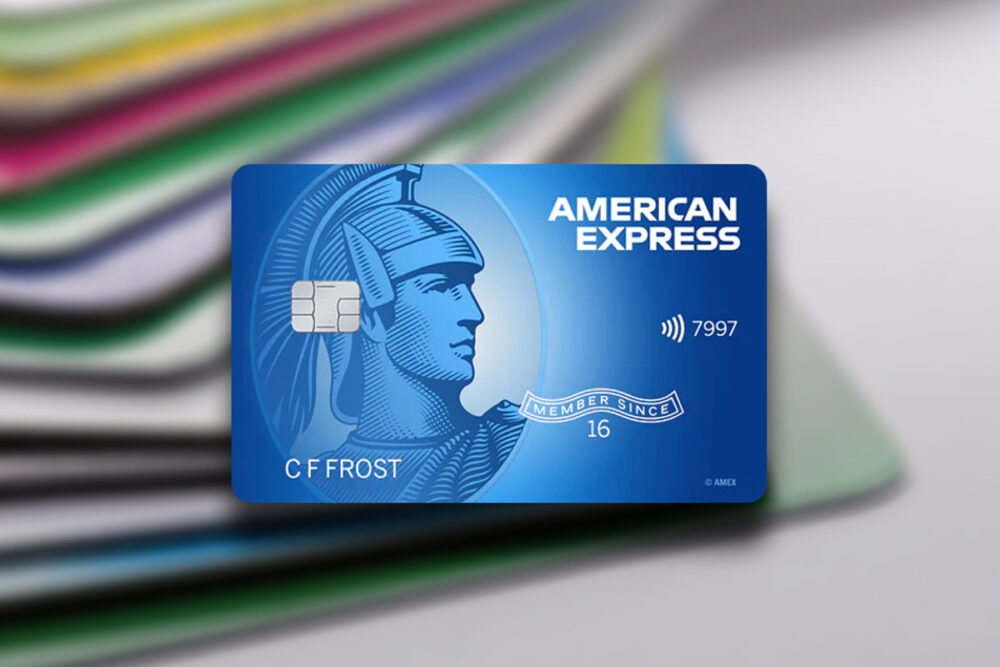
- Brand Positioning: Established brands employ psychological marketing techniques to build trust and emotional connections with consumers. For example, brands such as American Express or Visa have cultivated a premium image, creating an aura of exclusivity and reliability that can attract discerning customers.
- Emotional Appeals: Advertisements often bypass logical reasoning, appealing instead to consumers’ emotions. For example, a credit card commercial showcasing a family vacation, funded by rewards points, taps into the viewers’ desires for family bonding and memorable experiences, thereby driving more purchases.
The Role of Cognitive Biases
In addition to marketing strategies, various cognitive biases further shape consumer decisions:
- Loss Aversion: This principle, rooted in behavioral economics, suggests individuals prefer avoiding losses over acquiring equivalent gains. For example, the fear of losing out on a cash back opportunity can prompt consumers to spend more than they initially intended.
- Anchoring: The concept of anchoring refers to reliance on the first piece of information encountered. For instance, if a consumer sees a credit card with a significant bonus offer, they may overlook higher interest rates, focusing solely on the perceived value of the bonus instead.
- Social Proof: This phenomenon occurs when individuals look to others to guide their behavior. When consumers observe their peers using certain credit cards, it normalizes this behavior, prompting similar usage among their social circles.
Empowering Consumers through Awareness
A comprehensive understanding of how these marketing strategies and psychological factors interact can empower consumers to make more informed financial decisions. By recognizing the tactics that drive spending behaviors, individuals can better navigate the complexities of credit use and avoid falling into common psychological traps. For example, considering the total financial implications of using a rewards card, including interest rates and fees, can lead to more responsible credit card usage.
As consumers become more educated about these dynamics, they will be better equipped to manage their finances effectively, making choices that align more closely with their long-term financial goals rather than impulsive decisions driven by psychological influences.
DISCOVER MORE: Click here to dive deeper into crocheting
Marketing Strategies that Shape Consumer Choices
To understand the intricate relationship between credit cards and consumer psychology, one must first analyze the various marketing strategies employed by credit card issuers. These strategies are not merely about attracting customers; they are meticulously crafted to influence decision-making processes, tap into subconscious biases, and ultimately drive spending behaviors.
Targeted Advertising
One prevalent marketing tactic utilized by credit card companies is targeted advertising. By leveraging data analytics and consumer behaviors, issuers can create advertisements that resonate with specific demographics. For example, young professionals may be targeted with ads for travel rewards credit cards that emphasize the benefits of building credit while exploring the world. Meanwhile, families may receive promotions for cards offering cash back on grocery purchases or family-oriented rewards. This hyper-targeting not only increases the likelihood of engagement but also fosters a sense of identification between potential cardholders and the brand.
Promotional Offers and Time-Limited Deals
Another strategy includes promotional offers and time-limited deals. Credit card companies often entice consumers with sign-up bonuses or promotional interest rates for the first few months. These offers create a sense of urgency, compelling individuals to act quickly to capitalize on perceived savings. For instance, a promotional offer that provides a significant cash back bonus for the first three months encourages consumers to make impulsive purchasing decisions, often exceeding their planned budgets. The excitement of a limited-time offer can easily override rational financial planning.
Visual Design and Branding
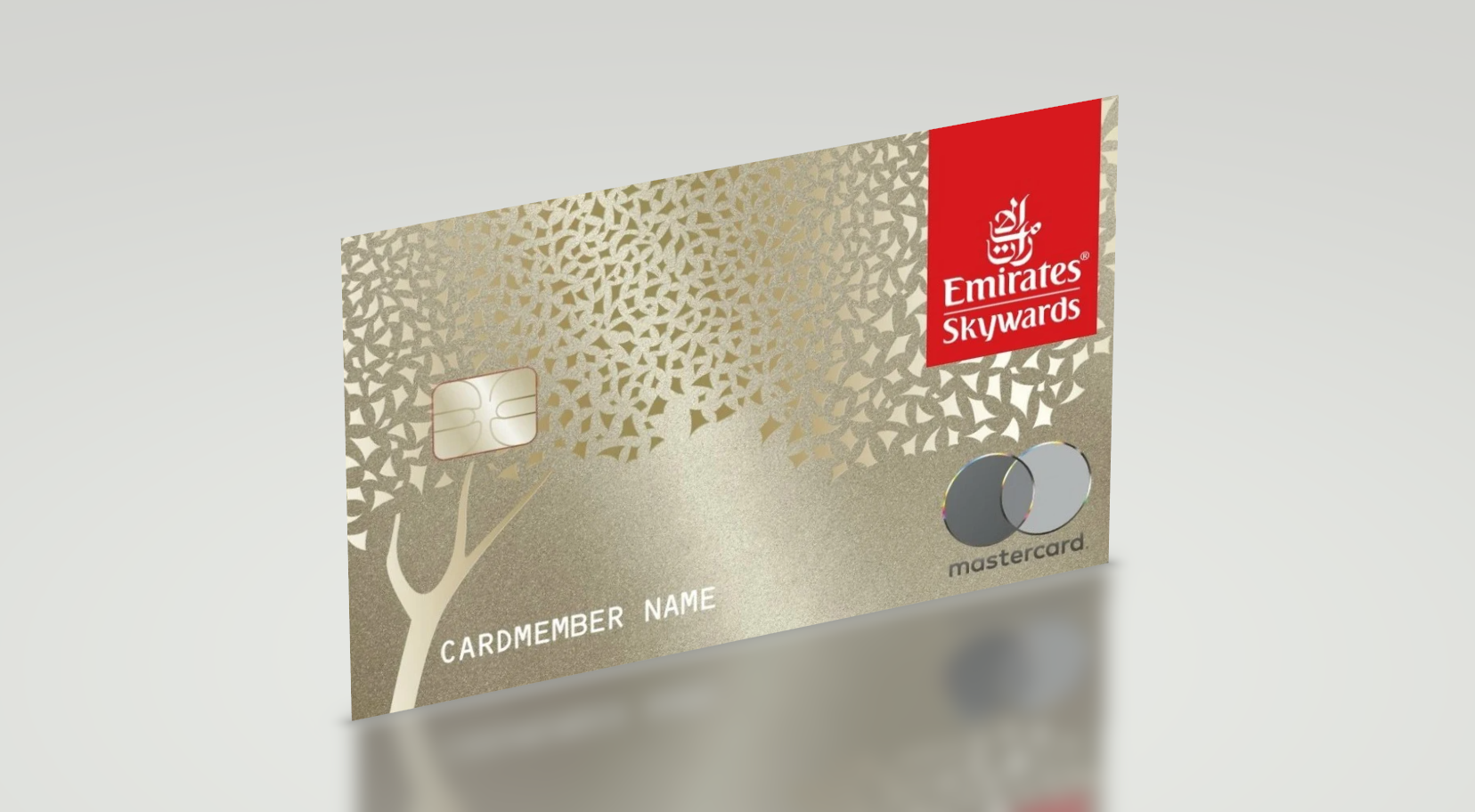
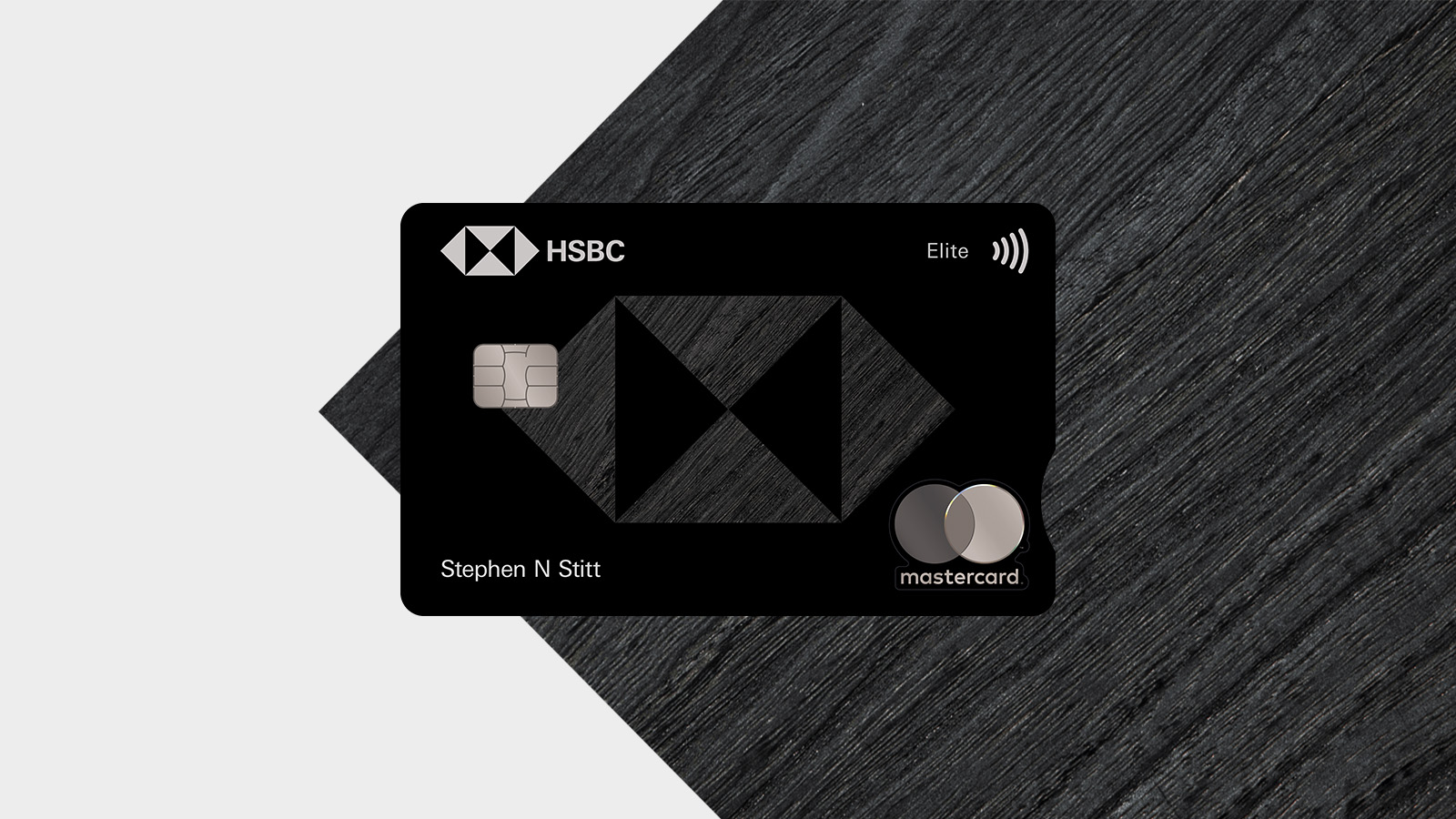
The visual design and branding of credit cards also play a crucial role in influencing consumer choices. Color psychology suggests that certain colors evoke specific feelings; for example, blue is often associated with trust and security, while red can stimulate excitement and urgency. Credit card issuers may use these principles in their branding to elicit an emotional response from potential users. A well-designed card not only carries an appealing aesthetic but also signifies a level of prestige and sophistication, reinforcing the consumer’s self-image and social status. This emphasizes the consumer’s desire for social acceptance, making them more likely to choose a card that enhances their identity.
Relationship to Financial Literacy
While marketing tactics can effectively drive consumer behavior, they also raise important questions about financial literacy. Many consumers may not fully understand the implications of credit card terms, such as interest rates and fees, due to the compelling nature of promotional strategies. A lack of understanding can lead individuals to make poor financial choices, such as accumulating debt without grasping the long-term repercussions. As consumers engage with marketing materials, the need for enhanced financial literacy becomes more apparent, empowering consumers to make decisions that lead to healthier financial outcomes.
In summary, the marketing strategies employed by credit card companies significantly shape consumer choices through targeted advertising, promotional offers, visual branding, and the broader context of financial literacy. By dissecting these elements, we gain valuable insight into how psychological principles are leveraged to influence spending behavior and decision-making in the realm of credit cards.
DISCOVER MORE: Click here to start your crochet journey
The Influence of Psychological Triggers on Consumer Behavior
Beyond the tactical approaches of targeted advertising and promotional offers, understanding the psychological triggers that drive consumer behavior is essential for evaluating the influence of credit card marketing. Various cognitive biases and emotional responses can significantly affect decision-making, shaping how consumers perceive credit card options and engage with them.
The Scarcity Principle
The scarcity principle holds that items perceived as limited in availability tend to be more desirable. Credit card companies often employ this principle by highlighting exclusive offers or limited-time promotions, such as accessing a special card design or unique rewards program. This strategy drives urgency, prompting consumers to act quickly, often without thoroughly assessing their financial situation or comparing all available options. For example, if a credit card is marketed as “available for the first 1,000 applicants only,” potential customers may feel an increased pressure to apply immediately, fearing they might miss out on an opportunity that may benefit them.
The Anchoring Effect
Another psychological phenomenon, known as the anchoring effect, can skew consumer perspectives on financial products. When presented with a high initial interest rate or an exorbitant annual fee alongside an enticing benefit, consumers may anchor their judgment based on those figures. For instance, a credit card advertisement might showcase a standard interest rate of 20% but then present a competitor’s rate at 25% as a point of reference. Consumers might perceive the original card as relatively reasonable despite it being a poor economic choice in absolute terms. Understanding how marketers utilize anchoring can empower consumers to think critically about the choices presented to them.
Social Proof and Testimonial Influence
The principle of social proof is pivotal in influencing consumer decisions as well. Credit card issuers often showcase customer testimonials, user-generated content, and popularity metrics, such as “Join millions of satisfied cardholders.” Prospective consumers are more likely to trust and gravitate toward products that others endorse, particularly seeing that peers or demographic equivalents have successfully benefited from the offerings. The impact of social proof underscores the importance of addressing the wider social context when making financial decisions, suggesting that paying attention to others’ experiences can guide potential users toward making favorable choices.
The Role of Lifestyle Marketing
Credit card companies frequently leverage lifestyle marketing by positioning their products as integral to achieving certain lifestyles, aspirations, or status. For instance, luxury travel rewards cards may be marketed not just as financial tools but as gateways to adventures and refined experiences that cultivate a desirable lifestyle. Advertisements may depict luxurious vacations, top-tier dining experiences, and exclusive access to events, giving an impression that obtaining such a card is a necessity for those seeking an elevated lifestyle. By appealing to emotions and aspirations, these strategies affect consumers’ perception of value, leading to spending decisions that reinforce their perceived self-worth.
In conclusion, the influence of psychological triggers on consumer behavior is profound in the realm of credit card marketing. By understanding the mechanisms of scarcity, anchoring, social proof, and lifestyle marketing, consumers can better navigate their choices and cultivate a more nuanced understanding of how these strategies affect their financial decisions. Recognizing these psychological tactics fosters a more informed approach towards credit usage, which is crucial for maintaining healthy financial practices.
DIVE DEEPER: Click here to discover more
Conclusion
In summary, the intersection of credit cards and consumer psychology unveils a complex landscape shaped by various marketing strategies. As discussed, techniques like the scarcity principle, which suggests that limited availability enhances desirability, have become pivotal in influencing consumer behavior. For instance, credit card companies often promote exclusive offers or limited-time rewards, prompting consumers to act quickly in fear of missing out. Similarly, the anchoring effect plays a crucial role, whereby presenting higher initial rates or fees can make subsequent offers appear more appealing. This tactic can manipulate consumers’ perceptions, leading them to favor options that may not necessarily align with their financial interests. Furthermore, the influence of social proof—whereby individuals look to the behavior of others to determine their own—significantly affects decisions surrounding credit card selection, as consumers are often swayed by testimonials or popularity metrics touted in marketing campaigns.
Additionally, the practice of lifestyle marketing not only ties credit products to specific lifestyles and aspirations but also encourages spending behaviors that may not align with sound financial management. For example, credit companies often associate their cards with luxury purchases, travel rewards, and exclusive experiences, effectively promoting an image of status to potential customers. This can lead to a cycle of increased spending driven by the desire to attain a lifestyle portrayed through clever advertising, which may ultimately result in financial strain.
Consumers must remain vigilant and critically assess their choices, particularly in an environment where marketing tactics can easily cloud genuine financial clarity. It is essential to comprehensively understand these psychological dynamics to mitigate impulsive decisions driven by emotional responses or cognitive biases. By developing financial literacy and awareness, consumers can make informed choices that serve their long-term economic well-being rather than succumbing to short-lived desires influenced by effective marketing.
Moving forward, fostering a healthy relationship with credit involves balancing the enticing benefits offered by credit card issuers with a mindful approach to spending and managing debt. This means carefully evaluating the terms and conditions of credit offers and considering one’s financial stability before committing to a new card. By prioritizing budget adherence and exercising caution to avoid overspending, consumers can enhance their financial resilience. This perspective not only promotes financially responsible behavior but also empowers consumers to navigate the credit landscape with confidence and prudence, ensuring they make choices that are constructive rather than merely reactive.