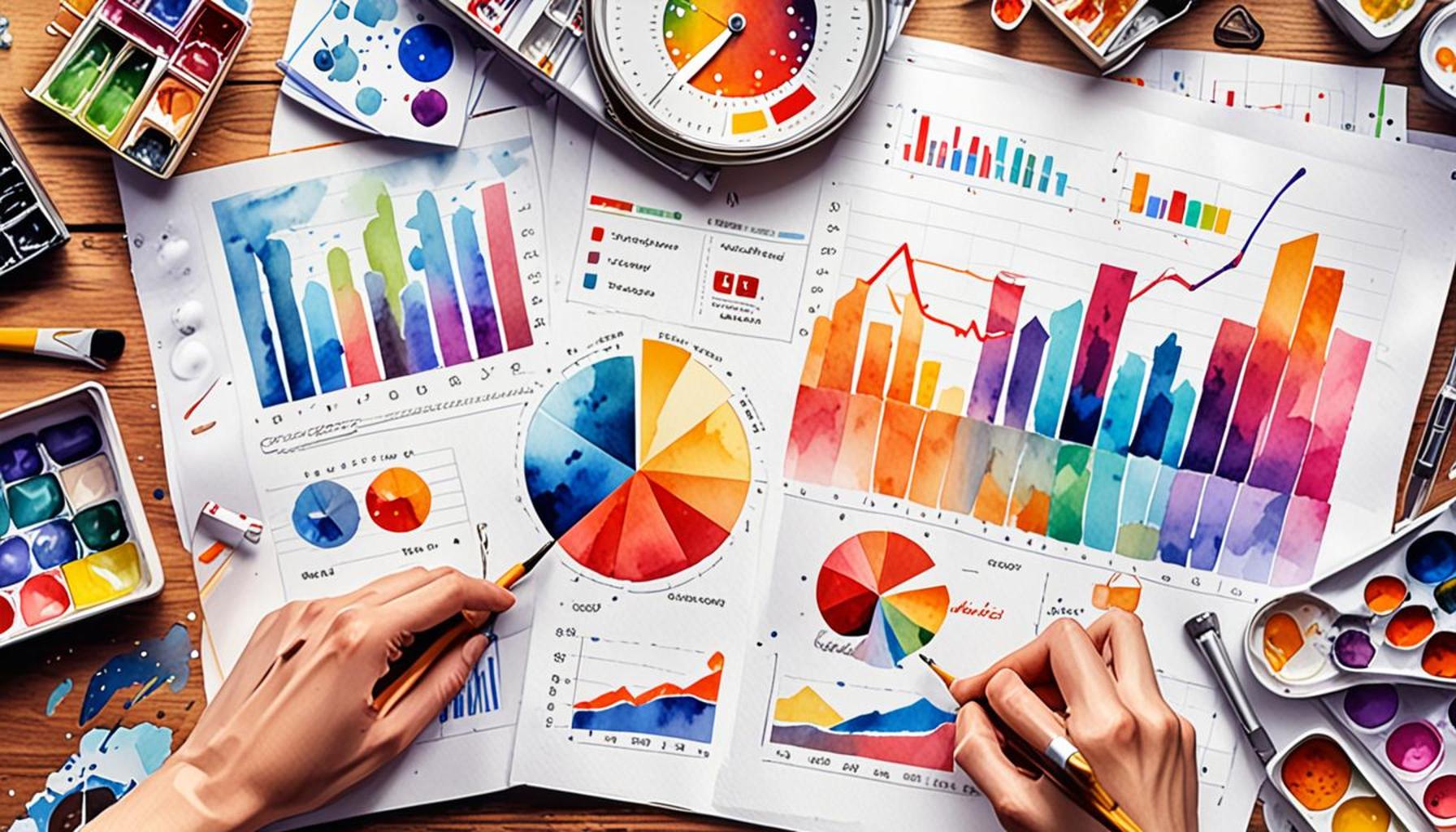
The Impact of Technology on Market Analysis: Tools and Emerging Trends
Transformative Impact of Technology on Market Analysis
The integration of technology into market analysis has revolutionized the way businesses approach data collection and interpretation. Sophisticated tools and platforms have become indispensable in enabling companies to glean actionable insights that are essential for maintaining a competitive edge in a fast-paced market landscape. The methods of gathering and analyzing data have evolved dramatically, necessitating new strategies to successfully navigate the complexities of consumer behavior and market trends.
Key Technological Advancements
Several key advancements are pivotal in shaping contemporary market analysis, including:
- Big Data Analytics: The ability to analyze vast datasets allows organizations to uncover hidden patterns and correlations that were previously unattainable. For example, retailers can analyze purchasing habits across different demographics, enabling tailored marketing campaigns that resonate more effectively with various consumer segments.
- Machine Learning: This technology facilitates predictive analytics, enabling businesses to anticipate future trends based on historical data. For instance, e-commerce platforms can forecast inventory needs and optimize supply chains, preventing stockouts and overstock situations that can adversely affect sales.
- AI-driven Tools: Artificial Intelligence enhances the understanding of consumer behavior through advanced algorithms. Companies utilize AI to segment their audience more precisely and forecast trends, which allows them to adapt their marketing strategies proactively. An example would be social media platforms that analyze user interactions to identify trending topics or products.
Emerging Trends Shaping Market Analysis
In addition to technological advancements, certain emerging trends are transforming market analysis strategies:
- Real-Time Data Tracking: The capability to analyze data instantly allows organizations to respond quickly to market changes. For instance, companies can adjust their advertising strategies in real-time based on social media engagements or shifts in consumer interests.
- Cloud-based Solutions: These solutions enhance collaboration by allowing multiple teams to access and analyze data from anywhere. This accessibility ensures that insights are shared swiftly across departments, fostering a more cohesive strategy. For example, marketing and sales teams can align their activities based on shared insights from the cloud.
- Consumer Engagement Technologies: Tools that enable businesses to gather direct feedback from customers—such as surveys and social feedback mechanisms—can significantly shape market strategies. As companies receive real-time insights into consumer preferences, they can refine their product offerings and marketing messages accordingly.
As technology continues to evolve, the accuracy and efficiency of market analysis are expected to improve considerably. Companies that resist adopting these innovations may find themselves at a significant disadvantage in an increasingly data-driven economy. Staying ahead requires not only the implementation of new technologies but also a willingness to adopt a culture of continuous learning and adaptation.
DISCOVER MORE: Click here for essential tips to get started
Leveraging Technology for Enhanced Market Insights
The infusion of innovative technologies into market analysis has not only streamlined data processes but has also enhanced the ability of businesses to extract meaningful insights from complex datasets. This evolution is particularly significant as consumer preferences and behaviors become increasingly multifaceted. In this dynamic environment, organizations that leverage technology can make informed decisions that ultimately drive growth and customer satisfaction.
Data Collection Methodologies
Traditional methods of data collection, such as surveys and focus groups, have been complemented and, in many cases, supplanted by advanced technologies that offer richer and more granular insights. Several methodologies have emerged that exemplify this shift:
- Web Scraping: This technique enables companies to automate data collection from websites, allowing them to gather crucial competitive intelligence or market trends without manual input. Businesses can track pricing variations, product assortment, and customer sentiment over time.
- Social Listening Tools: By monitoring social media platforms, companies can gain real-time insights into consumer sentiments and preferences. These tools analyze conversations and engagements, empowering brands to assess their reputation and respond proactively to emerging trends or issues.
- Mobile Analytics: The pervasive use of smartphones has transformed how businesses understand consumer behavior. Mobile analytics track user engagement through apps and websites, providing insights into purchasing behavior and interaction patterns that inform marketing and product development strategies.
These technologies create a more comprehensive picture of the market landscape, allowing businesses to identify not just what consumers are buying, but also the underlying motivations and contexts behind these purchases.
Integration with Business Intelligence
Furthermore, the integration of market analysis tools with Business Intelligence (BI) systems represents a significant leap forward. By combining market data with internal performance metrics, organizations can uncover correlations that were previously hidden. Enhanced visualization tools now enable teams to utilize data dashboards that present insights in a user-friendly format, facilitating decision-making across all levels of management.
For instance, a retail chain might analyze sales data in conjunction with demographic studies to optimize product placement in stores. This holistic approach aids in fine-tuning marketing strategies and optimizing inventory levels, ultimately leading to increased sales and improved customer experiences.
Challenges and Considerations
While the technological advancements in market analysis present numerous advantages, they also introduce challenges that organizations must navigate. Issues relating to data privacy, the need for skilled personnel adept in these technologies, and the potential for information overload are critical considerations. Businesses must strike a balance between harnessing the power of technology and ensuring ethical practices in data usage.
Additionally, as the speed of technological innovation accelerates, businesses must remain agile and adaptable to maintain relevance. Continuous training and development of teams in these emerging technologies will be essential for maximizing benefits and overcoming obstacles.
DISCOVER MORE: Click here for additional insights
Emerging Technologies Shaping Market Analysis
As technology continues to evolve, new tools and trends are reshaping the landscape of market analysis. These advancements not only transform how businesses gather and interpret data but also how they address the complexities of consumer behavior in an increasingly digital world.
Artificial Intelligence and Machine Learning
One of the most transformative developments in market analysis is the integration of Artificial Intelligence (AI) and Machine Learning (ML)</strong). AI algorithms can analyze vast datasets far more efficiently than traditional analytical methods, uncovering patterns and predicting future consumer behavior with impressive accuracy. For example, e-commerce platforms utilize AI-driven recommendation engines to personalize shopping experiences, consequently increasing conversion rates.
Moreover, AI and ML enable businesses to conduct predictive analytics, which anticipate market trends based on historical data. By employing these advanced technologies, companies in various sectors can make proactive adjustments to their strategies, ensuring they remain competitive and aligned with consumer needs.
Natural Language Processing (NLP)
Another significant trend is the use of Natural Language Processing (NLP), a branch of AI focused on the interaction between computers and human language. NLP tools analyze vast amounts of text data from sources such as customer reviews, social media comments, and online forums to derive sentiment scores and topic trends. This capability allows businesses to gauge public opinion about their brand or products and adjust their marketing strategies accordingly.
For instance, by assessing customer feedback, organizations can identify pain points or areas for improvement in their offerings, leading to enhanced product development and greater customer satisfaction.
Cloud Computing and Big Data
The advent of cloud computing has played a pivotal role in the evolution of market analysis. Cloud platforms allow businesses to store and process large volumes of data without the need for extensive on-premise infrastructure. This accessibility facilitates real-time data analysis and enhances collaboration among teams across different geographic locations.
Furthermore, the rise of big data analytics tools enables organizations to harness and analyze diverse datasets collected from multiple sources, such as IoT devices, transaction logs, and demographic statistics. This amalgamation of data provides a multidimensional view of the market landscape, helping to identify emerging trends and customer behaviors. Companies like Amazon and Netflix are prime examples of leveraging big data to personalize experiences for consumers, driving loyalty and repeat business.
Blockchain Technology in Market Analysis
An emerging trend that is gaining traction in market analysis is blockchain technology. While primarily recognized for its application in cryptocurrency, blockchain offers significant potential in ensuring data transparency and security. By employing blockchain for market research, companies can track and verify the integrity of data collected, thus eliminating concerns related to data manipulation or inaccuracies.
For example, organizations can utilize blockchain to ensure the authenticity of survey responses and establish trust among consumers regarding the validity of the research. This application emphasizes the need for ethical standards in data collection and analysis, fostering heightened consumer trust.
As businesses navigate these emerging technologies, it is vital to approach their implementation with careful consideration of ethical implications and potential biases. The goal is to harness technological advancements to enhance market analysis while maintaining a focus on integrity and consumer-centric practices.
DIVE DEEPER: Click here to get started with crochet
Conclusion
In conclusion, the impactful evolution of technology is undeniably reshaping the landscape of market analysis, introducing an array of tools and emerging trends that enhance data accessibility, accuracy, and utility. From the groundbreaking capabilities of Artificial Intelligence (AI) and Machine Learning (ML) to the transformative applications of Natural Language Processing (NLP), businesses are now equipped to analyze data in real-time with unprecedented precision. This has allowed organizations to tailor their offerings to better meet consumer demands, driving loyalty and maximizing profitability in highly competitive markets.
Moreover, the integration of cloud computing with big data solutions facilitates collaboration across teams and enables holistic views of market dynamics, offering businesses the agility needed to respond to changing trends. In addition, the emergence of blockchain technology underscores the importance of ethical data practices, enabling organizations to build consumer trust while ensuring data integrity.
As these technologies continue to develop, it is critical for businesses to remain vigilant about the ethical implications and potential biases inherent in data-driven strategies. A consumer-centric approach must guide the adoption of these tools to foster transparency and inclusivity in market analysis. Ultimately, embracing these advancements can yield substantial competitive advantages and prepare organizations for a future where adaptability and insight are paramount.